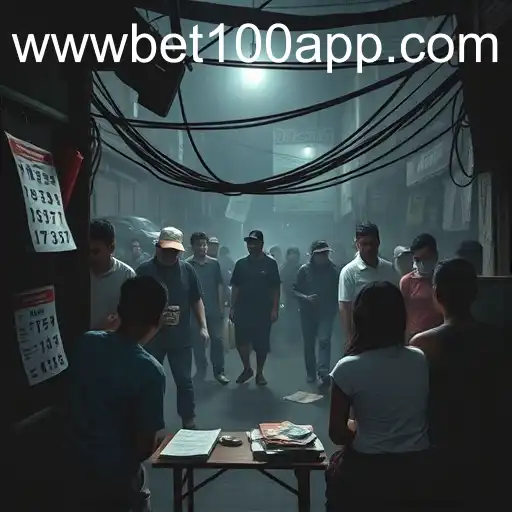
The Intricacies of Jueteng: A Deep Dive into the Controversial Numbers Game
Jueteng, a term that resonates deeply within the socio-cultural and political milieu of the Philippines, is more than just an illicit numbers game. It is a complex weave of tradition, livelihood, corruption, and criminality affecting millions across the archipelago. Despite its illegal status, Jueteng thrives in the shadows, captivating the participation of both the underprivileged and the influential elite.
Understanding Jueteng: The Gameplay
At its core, Jueteng is a numbers game with a simple premise. Participants choose a combination of numbers, traditionally a two-digit number ranging from 1 to 37. Bets are collected by cobradores, or collectors, who traverse neighborhoods to gather stakes. These bets are handed over to cabecillas, the game coordinators, who then conduct the draws.
The results of the draw are typically announced within the day, maintaining a swift and efficient cycle that entices those who participate regularly. Winning bets are paid out substantially, offering a glimmer of hope for substantial financial gain. However, this hope is often overshadowed by the game's low odds and high probability of loss.
The Socio-Economic Impact of Jueteng
Jueteng's allure stretches beyond mere entertainment; it is seen as an economic lifesaver for many Filipinos. In regions marred by poverty, unemployment, and lack of economic opportunities, Jueteng offers a chance—albeit a slim one—to improve one's financial situation. For the cobradores and cabecillas, Jueteng serves as a primary source of income, providing a livelihood in an often challenging economic landscape.
The game's proceeds are not confined to the bettors or those directly involved in its operations. They trickle down to local communities with a portion often used to fund communal activities, religious festivals, and even provide financial aid during emergencies. Through such reinvestment, Jueteng weaves itself into the socio-economic fabric of communities, making its eradication a challenging prospect.
Corruption and Crime: The Dark Underbelly
Jueteng's success is undeniably linked to corruption, with numerous political and law enforcement figures implicated in the protection and facilitation of its operations. The game's profitability ensures that substantial bribes are often handed to local officials, police forces, and politicians to turn a blind eye to its persistent presence.
This corruption extends beyond financial gain, often infiltrating electoral processes. Votes may be swayed by the financial muscle of those who profit from Jueteng, influencing local and national elections and skewing democratic processes.
While corruption facilitates its operations, the crime associated with Jueteng can be pronounced. Rivalries among operators can lead to violence, while bettors who lose substantial amounts might resort to illegal or desperate measures to recover their losses.
Legislative and Governmental Response
Efforts to curb Jueteng have been ongoing, yet largely unsuccessful. Various administrations have oscillated between crackdowns and attempting to legalize and regulate the numbers game. Legalization propositions argue for government control, which could generate substantial tax revenues and allow for better regulation. However, such proposals face staunch opposition on moral and ethical grounds.
Crackdowns, while effective in short bursts, often fail to make a long-term impact due to deeply entrenched networks of protection and the public's enduring demand for the game. Despite the risks, Jueteng remains deeply embedded in Filipino culture, making eradication a near-impossible task.
Jueteng and the Digital Age: The Emergence of PHSpin
As the world transitions into a digital era, Jueteng is not left behind. The advent of technology has paved the way for PHSpin, a digital manifestation of traditional numbers games like Jueteng. PHSpin offers convenience and accessibility, allowing players to place bets and receive results online.
This online evolution poses new challenges for authorities attempting to clamp down on illegal gambling. The anonymity and reach of the internet make regulation difficult, necessitating a robust cyber policy framework and innovative technological solutions to combat its spread.
On the flip side, digital platforms like PHSpin could potentially offer solutions should legalization occur. They could streamline regulation, ensure fair play, and provide a verifiable revenue stream for government coffers, aiding economic development initiatives.
Conclusion
The narrative of Jueteng is one of complexity, rooted in tradition yet tinged with controversy. Its persistence reflects the broader socio-economic challenges facing the Philippines and the moral quandaries surrounding illicit gambling. As the nation continues to grapple with these issues, Jueteng remains a poignant symbol of cultural resilience and systemic challenges that define the archipelago.